


Engaging Stories: Social Emotional Books for Elementary Students

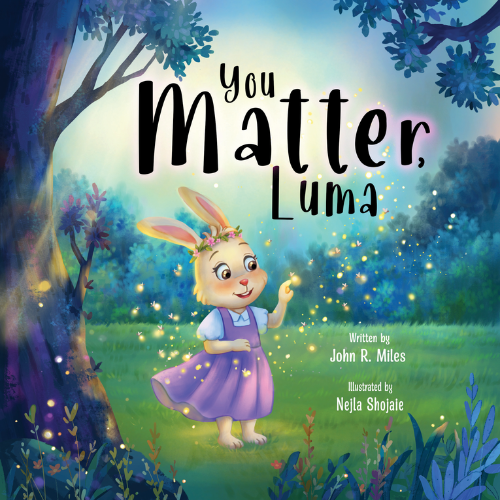
In an educational landscape that is becoming increasingly aware of the holistic development of children, social-emotional learning (SEL) is gaining prominence. Books are a powerful tool in this domain, especially for elementary students. They can provide relatable scenarios, foster empathy, and help young readers develop emotional intelligence. By weaving engaging narratives with emotional learning, these books serve as a bridge to understanding complex feelings and social dynamics. The challenge lies in selecting the right books that resonate with children and align with educational goals. This article explores the importance of social-emotional books for elementary students and offers insights into selecting and utilizing them effectively.
The Importance of Social Emotional Learning in Early Education
Social-emotional learning is integral to a child’s overall development. It equips them with the skills to manage emotions, establish positive relationships, and make responsible decisions. According to educational experts, SEL can significantly impact a student’s academic performance and personal growth.
- Enhances self-awareness and self-management skills.
- Improves social awareness and relationship skills.
- Contributes to improved academic outcomes.
- Encourages empathy and emotional intelligence.
To delve deeper into the significance of SEL and its impact, discover expert strategies here.
Choosing the Right Social Emotional Books
Criteria for Selection
Selecting the right social-emotional books requires careful consideration of various factors. Educators and parents should look for books that:
- Are age-appropriate and relatable to the child’s experiences.
- Contain engaging storylines that capture the child’s interest.
- Include diverse characters and situations to broaden perspectives.
- Offer clear, actionable lessons that children can apply.
For more on how to select the best SEL books, learn about our tailored solutions.
Recommended Books and Their Impact
Several books stand out for their ability to convey SEL principles through captivating stories. Here are a few recommendations:
- “The Invisible Boy” by Trudy Ludwig: A heartwarming tale that addresses the feeling of being left out and emphasizes the importance of kindness and inclusion.
- “Enemy Pie” by Derek Munson: This book teaches children about resolving conflicts and the unexpected outcomes of friendship.
- “Last Stop on Market Street” by Matt de la Pe?a: A story that highlights gratitude and finding beauty in everyday life.
Each of these books serves as a tool for educators and parents to initiate meaningful conversations about emotions and relationships. Explore advanced guides and tips for incorporating these titles into educational settings.
Integrating Social Emotional Books into Curriculum
For books to be truly effective, they should be integrated thoughtfully into the curriculum. Here are some strategies that can be employed:
- Incorporate books into daily reading sessions to normalize discussions about feelings.
- Use storytelling as a basis for role-playing activities to practice empathy and problem-solving.
- Encourage reflective writing assignments that allow students to express their understanding and emotions.
- Facilitate group discussions that enable students to share their perspectives and connect with peers.
To find out more about this approach and its benefits, find out more about this approach.
Conclusion
Social-emotional books are invaluable resources in fostering a well-rounded education for elementary students. They not only enrich students’ emotional and social competencies but also enhance their academic journey. By carefully selecting and integrating these books into educational practices, educators and parents can significantly contribute to the development of empathetic, self-aware, and socially responsible individuals. The key lies in choosing engaging narratives that resonate with young readers and provide meaningful lessons that extend beyond the classroom.
