


Supporting NDIS Participants with Social and Community Engagement

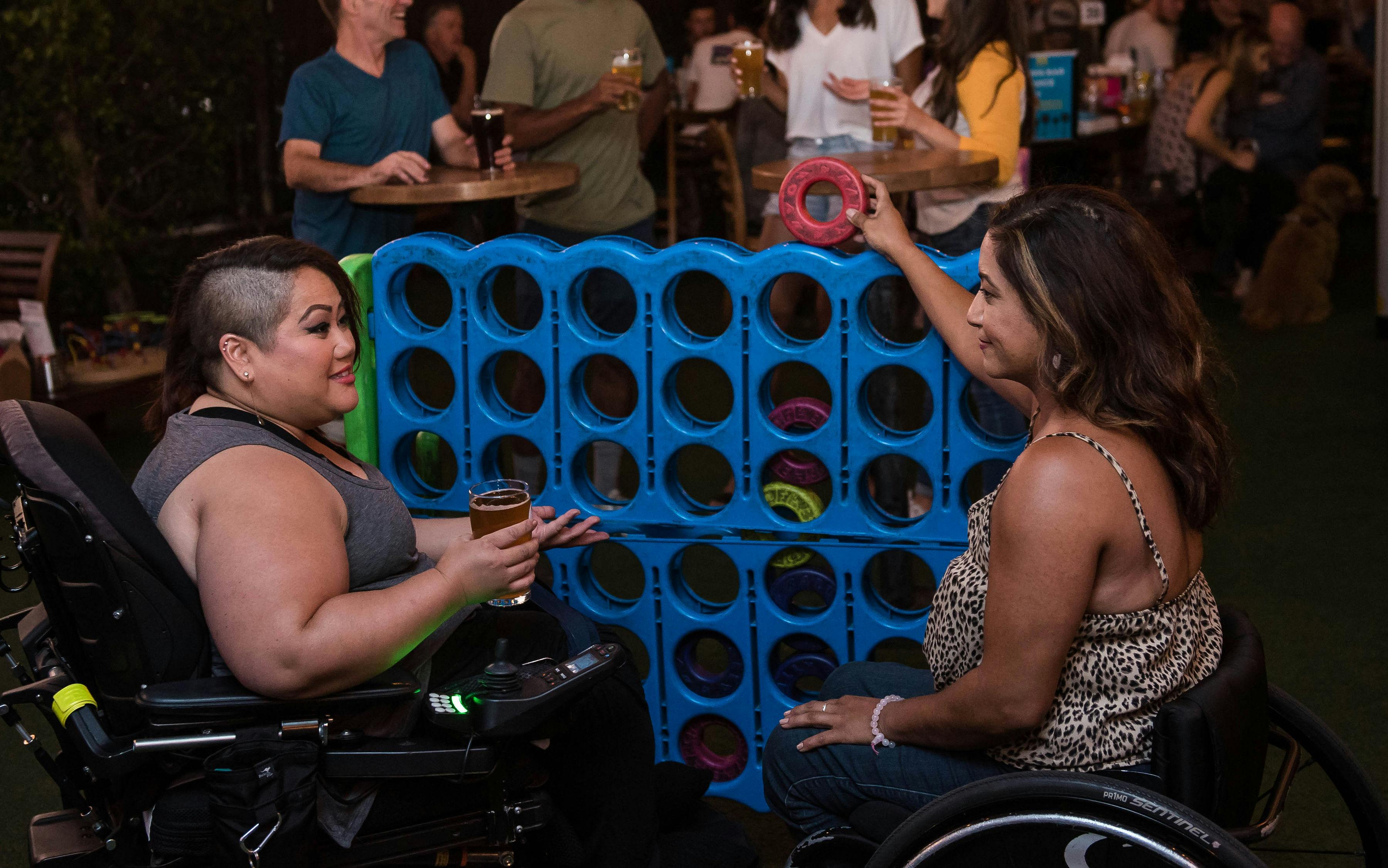
Supporting NDIS participants with social and community engagement is a critical component of enhancing their quality of life and overall well-being. The National Disability Insurance Scheme (NDIS) aims to provide individuals with disabilities the necessary support to lead fulfilling lives. Central to this mission is facilitating social interaction and community involvement, which can significantly improve participants’ mental and emotional health. By engaging with their communities, NDIS participants can build meaningful relationships, develop new skills, and gain a sense of belonging. With the right support, they can overcome barriers to participation and achieve their personal goals.
The Importance of Social and Community Engagement
Social and community engagement plays a pivotal role in the lives of individuals with disabilities. It promotes:
- Increased self-esteem and confidence.
- Opportunities for skill development and learning.
- Enhanced mental and physical health.
- A stronger sense of belonging and community.
- Reduction of feelings of isolation and loneliness.
For NDIS participants, engaging in social and community activities can be transformative. It helps them become active, valued members of their community, opening doors to new experiences and opportunities. Learn about our tailored solutions for facilitating such engagement.
Strategies for Supporting Engagement
Effective strategies are essential for supporting NDIS participants in their journey towards active community participation. These strategies include:
1. Personalized Support Plans
Creating personalized support plans that align with the individual goals and interests of NDIS participants is fundamental. Tailored plans ensure that participants are engaged in activities that are meaningful to them, promoting sustained interest and involvement. Explore advanced guides and tips on crafting effective support plans.
2. Skill Development Programs
Offering skill development programs can empower participants by equipping them with the competencies needed to engage more fully in their communities. These programs can include communication skills, social skills, and vocational training. Find out more about this approach to skill development.
3. Building Community Connections
Facilitating connections with local community groups, clubs, and organizations can help NDIS participants find their niche. These connections can foster a sense of belonging and provide ongoing support and motivation. Discover expert strategies here for building community connections.
Overcoming Common Barriers
Despite the numerous benefits of social and community engagement, NDIS participants often face barriers that can impede their participation. These barriers include:
- Physical accessibility issues.
- Lack of transportation options.
- Social anxiety or lack of confidence.
- Limited availability of inclusive community programs.
Addressing these obstacles requires a comprehensive understanding of the unique challenges faced by individuals with disabilities. Solutions can involve improving accessibility, providing transportation assistance, and offering inclusive and supportive environments for all participants. Learn about our tailored solutions to overcome these challenges.
The Role of Support Services
Support services play a crucial role in facilitating social and community engagement for NDIS participants. These services can assist with:
- Identifying suitable community activities and events.
- Providing personalized support and guidance.
- Advocating for accessibility and inclusivity.
- Monitoring progress and adapting plans as needed.
Professional support services are instrumental in ensuring that NDIS participants receive the necessary assistance to thrive in their communities. By working closely with participants, these services can help tailor approaches to meet individual needs and preferences. Explore advanced guides and tips on the role of support services in community engagement.
In conclusion, supporting NDIS participants with social and community engagement is vital for their personal development and quality of life. Through strategic planning and the provision of personalized support, individuals with disabilities can overcome barriers and actively participate in their communities. This engagement not only benefits the participants themselves but also enriches the community as a whole.
