


Discover the Benefits of Kids Music Classes

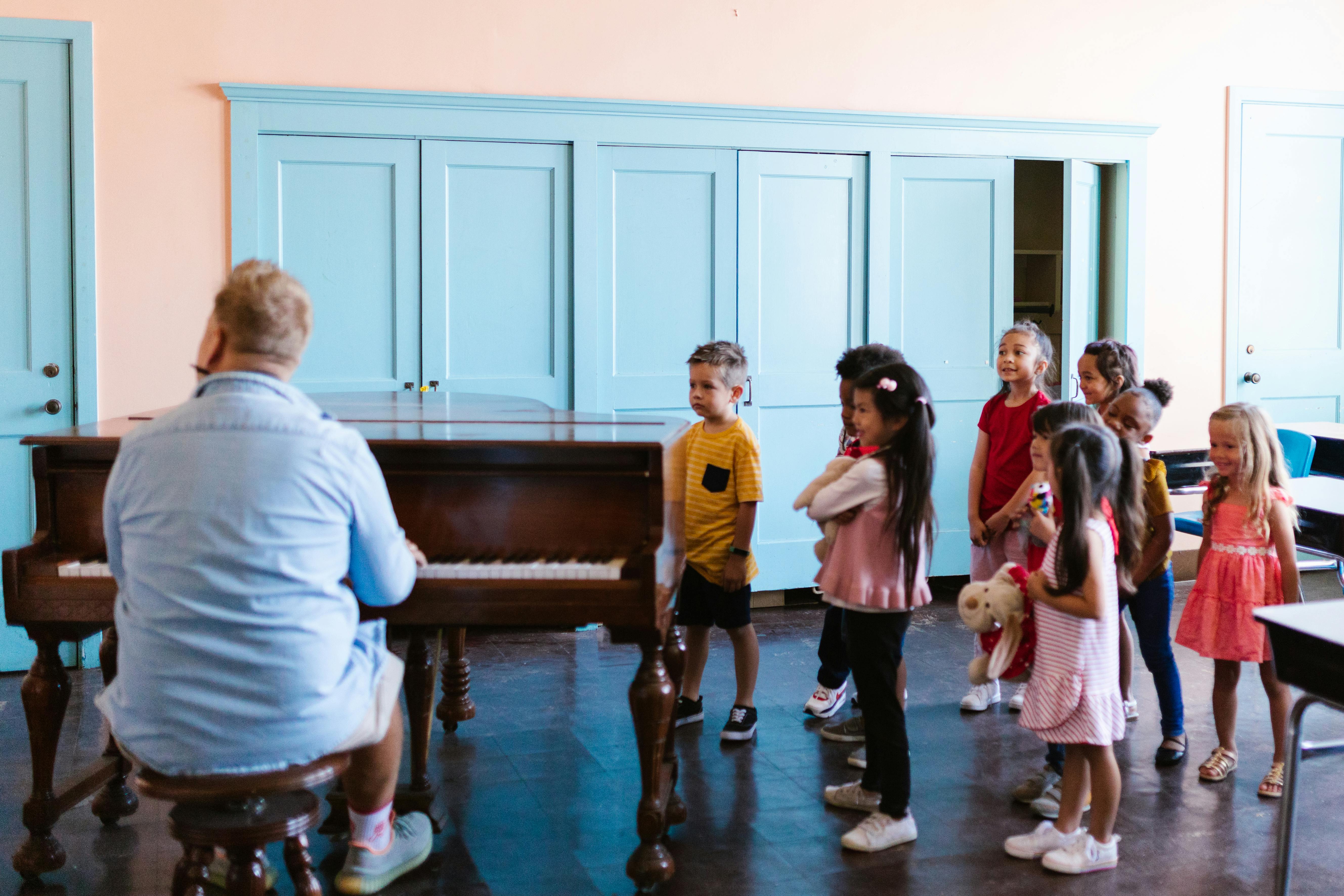
Engaging children in music classes can be a transformative experience, offering a myriad of developmental benefits that extend far beyond the joy of learning to play an instrument or sing. Music education has been shown to enhance cognitive abilities, improve social skills, and provide a creative outlet for self-expression. As society increasingly recognizes these benefits, more parents are enrolling their children in music programs to foster a lifelong appreciation for the arts. This article delves into the various advantages of music classes for kids and how these classes support overall growth and development.
Cognitive Development and Academic Achievement
Music education plays a significant role in enhancing cognitive development in children. Engaging with music requires the brain to work in new and complex ways, thus promoting critical thinking and problem-solving skills. Here are some key cognitive benefits:
- Improved memory and retention through learning scales, rhythms, and lyrics.
- Enhanced language skills as music education often involves learning new languages or complex musical terms.
- Better mathematical skills due to the inherent patterns and structures found in music.
For parents interested in fostering their child’s academic growth alongside their musical talents, discover expert strategies here to integrate music with other learning disciplines.
Social and Emotional Benefits
Music classes provide an excellent environment for developing social skills and emotional intelligence. Children learn to collaborate, listen, and communicate effectively with others. Key social and emotional benefits include:
- Increased self-confidence as children master new skills and perform in front of others.
- Better teamwork and cooperation through group ensembles and performances.
- Enhanced emotional expression by using music as an outlet for emotions.
For a deeper understanding of how music can enhance emotional well-being, explore advanced guides and tips on nurturing emotional intelligence through creative arts.
Physical Benefits
Engaging in music classes also contributes to physical development, as playing instruments and participating in musical activities require fine motor skills and coordination. The physical benefits include:
- Improved hand-eye coordination and dexterity from playing instruments like the piano or guitar.
- Better posture and breathing techniques, particularly in vocal training and wind instruments.
- Increased overall physical activity, especially in classes that incorporate movement and dance.
Parents seeking to understand the full spectrum of physical benefits associated with music education can find out more about this approach to integrating physical activity with music learning.
Fostering Creativity and Imagination
Music classes are a gateway to creativity and imagination. They provide a safe space for children to explore and express their unique ideas. This nurturing of creativity has several positive outcomes:
- Encouragement of innovative thinking and problem-solving through musical composition and improvisation.
- Development of a personal artistic style and voice.
- Increased ability to think outside the box and approach tasks creatively.
To delve into how music can be a catalyst for creative thinking, learn about our tailored solutions that support imaginative growth through music education.
Conclusion
Music classes offer a comprehensive range of benefits that support not only the artistic development of children but also their cognitive, social, emotional, and physical growth. By integrating music education into a child”?s life, parents provide them with tools for success in various aspects of life. For those interested in exploring more about the profound impacts of music on development, explore advanced guides and tips on enhancing learning through the arts.
