


Early Music Education for Kids

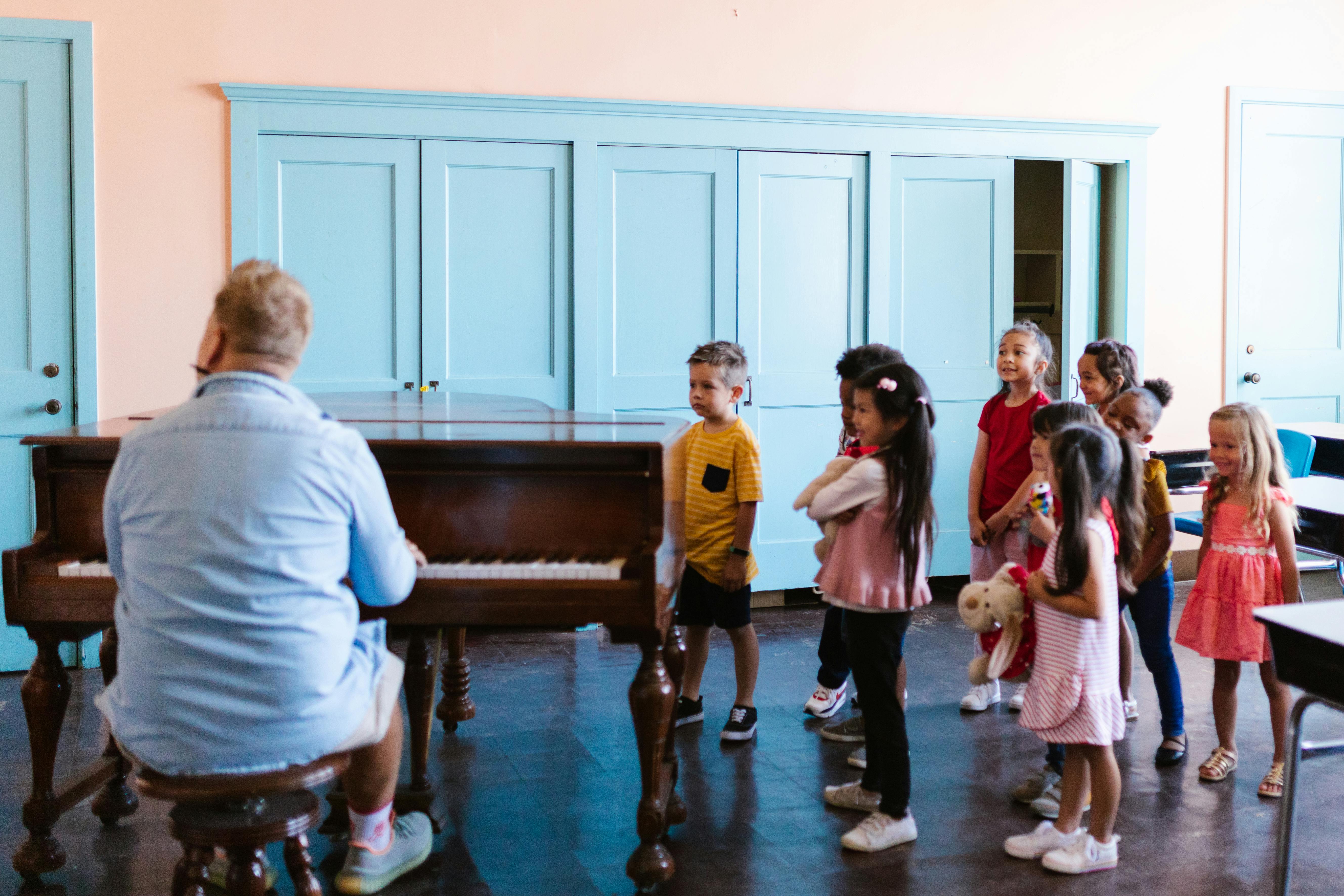
Early music education plays a vital role in a child’s development, offering numerous cognitive, emotional, and social benefits. Introducing children to music at a young age can foster a lifelong appreciation for this art form and enhance various skills beyond music itself. Through structured programs and informal exposure, children can experience the joys and lessons that music brings, laying a foundation for personal growth and learning. By integrating music into a child’s early education, we can harness its potential to shape a well-rounded individual.
The Benefits of Early Music Education
Music education for young children is not just about learning to play an instrument or sing. It encompasses a wide array of benefits that can help in various aspects of a child’s life:
- Cognitive Development: Music education has been linked to improved memory, language skills, and spatial-temporal skills. Children who engage with music often show enhanced problem-solving abilities and creativity.
- Emotional Growth: Music provides an outlet for expression and helps children develop empathy and emotional intelligence. It can also be a source of comfort and relaxation.
- Social Skills: Participating in group music activities teaches teamwork, communication, and leadership. It encourages collaboration and understanding among peers.
- Cultural Awareness: Through music, children can learn about different cultures and histories, fostering a sense of appreciation and diversity.
For those interested in delving deeper into the benefits of music education, read more about this topic.
Implementing Music Education for Young Children
Introducing music education to children can be approached in various ways. Here are some effective strategies:
Incorporating Music into Daily Activities
Music can be seamlessly integrated into everyday routines, making it a natural part of a child’s life:
- Play music during playtime or bedtime to create a calming environment.
- Engage children with simple musical games and activities that encourage rhythm and melody recognition.
- Sing songs together that involve actions or storytelling to enhance engagement and memory.
Learn more in this detailed guide about integrating music into daily life.
Formal Music Lessons
Enrolling children in structured music lessons can offer more comprehensive education:
- Instrument Lessons: Starting with simple instruments like the piano or recorder can be beneficial for beginners.
- Choir or Vocal Lessons: Singing in a group can improve vocal skills and build confidence.
- Music Theory Classes: Understanding the basics of music theory can enhance a child’s overall musicality.
To explore further insights into formal music education, explore further insights here.
Choosing the Right Music Program
Selecting an appropriate music program for a child involves considering various factors:
- Program Philosophy: Ensure the program aligns with the child’s interests and learning style.
- Instructor Expertise: Qualified instructors can significantly impact the child’s musical journey.
- Program Structure: Look for programs that balance theory, practice, and creative exploration.
For additional guidance on selecting a music program, find additional information here.
In conclusion, early music education is a valuable investment in a child’s future. By understanding its benefits and implementing it effectively, caregivers and educators can provide children with a rich and rewarding experience that supports their overall development.