


Choosing the Right Orchid Soil for Healthy Growth

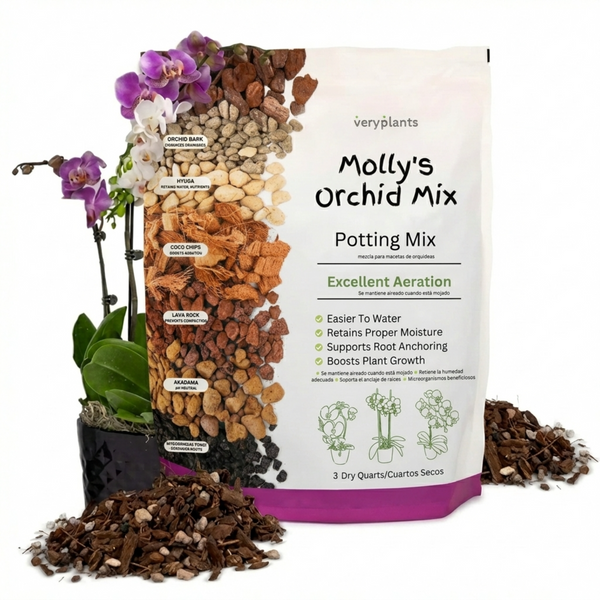
Orchids are a fascinating group of plants, renowned for their intricate beauty and diversity. However, they can be quite particular about their growing conditions, especially when it comes to soil. Unlike traditional plants, orchids require a special kind of soil to thrive. Choosing the right orchid potting soil is crucial for maintaining their health and ensuring robust growth. This article delves into the essential components of orchid soil and provides guidance on selecting the best mix for your plants.
Understanding Orchid Needs
Orchids are epiphytes, meaning they naturally grow on other plants rather than in the ground. This unique growth habit means they require specific conditions to mimic their natural environment. Here are some vital aspects to consider:
- Air Circulation: Orchids need ample air around their roots, which prevents waterlogging and root rot.
- Drainage: The soil must have excellent drainage properties to avoid excess moisture retention.
- Support: While orchids do not grow in traditional soil, they still need a supportive medium to anchor their roots.
Components of Orchid Soil
The ideal orchid potting mix is composed of various elements that cater to the plant’s unique needs. The following components are commonly used in crafting the perfect orchid soil:
- Bark: Typically, fir or pine bark is used for its excellent drainage and support properties.
- Perlite: A lightweight mineral that aids in aeration and prevents soil compaction.
- Sphagnum Moss: Retains moisture while providing good aeration, suitable for orchids that prefer slightly more humidity.
- Charcoal: Helps reduce odors and impurities in the soil mix, promoting healthier root growth.
- Coconut Husk: Offers similar benefits to bark but with additional water retention capabilities.
Choosing the Right Orchid Potting Medium
Selecting the right orchid pot mixture depends on various factors, including the specific type of orchid, its growing environment, and personal preferences. Consider the following tips when making your choice:
- Orchid Species: Different orchids have varying requirements. For example, Phalaenopsis orchids prefer a mix with more bark, while Paphiopedilums may require more moisture-retentive materials like sphagnum moss.
- Environmental Conditions: If growing orchids in a drier climate, a mix with higher moisture retention may be beneficial.
- Pot Size and Type: Larger pots might need a chunkier mix to ensure proper aeration, whereas smaller pots can use finer components.
Maintenance and Care
Once the appropriate pot mix for orchids is chosen, regular maintenance is vital to ensure ongoing health and growth:
- Repotting: Orchids should be repotted every 1-2 years to provide fresh orchid plant potting mix and prevent root bound conditions.
- Watering: Ensure the potting mix dries out slightly between waterings to prevent root rot.
- Nutrients: Fertilize orchids with a balanced, water-soluble fertilizer every few weeks during the growing season.
Conclusion
Understanding and selecting the right orchid soil is fundamental to cultivating healthy and vibrant orchids. By taking into account the specific needs of your orchid species and environmental conditions, it’s possible to create a supportive and nourishing environment that mimics their natural habitat. With the right care and attention, orchids can flourish and bring beauty to any space they inhabit.