


Exploring the Science Behind Cryotherapy Chambers

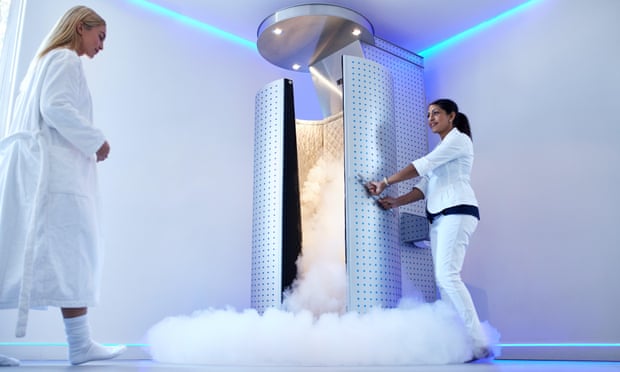
Cryotherapy chambers have rapidly gained popularity in the realm of wellness and sports recovery. These futuristic-looking devices might seem like something out of a sci-fi movie, but their roots are deeply embedded in scientific research and evidence-based practice. By exposing the body to extremely cold temperatures for short durations, cryotherapy aims to promote faster recovery, reduce inflammation, and offer a host of other health benefits. This article delves into the science behind these chambers, exploring the mechanisms at play and the potential benefits and risks associated with their use.
The Science of Cryotherapy
Cryotherapy works on the principle of exposing the body to extremely low temperatures, typically between -130?F and -320?F, for a brief period, usually three to four minutes. The sudden drop in temperature leads to the constriction of blood vessels and a decrease in inflammation, followed by a rush of oxygenated blood when the body returns to normal temperature. This process is believed to enhance recovery and provide pain relief.
Mechanisms at Work
- Vasoconstriction and Vasodilation: The initial exposure to cold causes blood vessels to constrict. Upon exiting the chamber, a rapid vasodilation occurs, increasing circulation and delivering oxygen-rich blood to muscles and tissues.
- Endorphin Release: The body’s response to cold stress includes the release of endorphins, which are natural painkillers and mood enhancers.
- Reduced Inflammation: Cold temperatures can decrease the production of inflammatory cytokines, thereby reducing muscle soreness and joint pain.
Benefits of Cryotherapy Chambers
While more research is necessary to fully understand the scope of benefits, several potential advantages have been observed with the use of cryotherapy chambers.
- Enhanced Muscle Recovery: Athletes often use cryotherapy to speed up recovery times and reduce muscle soreness after intense workouts or competition.
- Pain Management: Individuals suffering from chronic pain conditions, such as arthritis, have reported relief following cryotherapy sessions.
- Improved Mood and Mental Health: Some studies suggest that regular cryotherapy can contribute to an improved sense of well-being and reduced symptoms of anxiety and depression.
Potential Risks and Considerations
Like any therapeutic intervention, cryotherapy does not come without potential risks. It is crucial to consider these factors before engaging in cryotherapy sessions.
- Skin Burns and Frostbite: Improper use of cryotherapy chambers can lead to skin burns or frostbite if safety protocols are not strictly followed.
- Pre-existing Conditions: Individuals with certain health conditions, such as cardiovascular diseases, should consult a medical professional before undergoing cryotherapy.
- Pregnancy: Pregnant women are generally advised to avoid cryotherapy due to unknown effects on fetal development.
The Future of Cryotherapy
As research continues to evolve, the potential for cryotherapy to become a mainstream treatment in sports medicine and wellness is promising. Innovations in the design and functionality of cryotherapy chambers are likely to enhance safety and efficacy, making them more accessible and beneficial to a broader audience. For those considering cryotherapy, it is recommended to seek facilities that adhere to regulatory standards and employ trained professionals to ensure a safe and effective experience.
In conclusion, while cryotherapy chambers offer exciting possibilities for physical recovery and wellness, it is essential to remain informed and cautious. The science behind cryotherapy is compelling, and with ongoing research, it holds the potential to revolutionize approaches to health and recovery. For more detailed insights into the specific mechanisms and applications, continue exploring reputable sources and stay abreast of the latest scientific findings.
