


Guiding Students Through Elementary Montessori Education

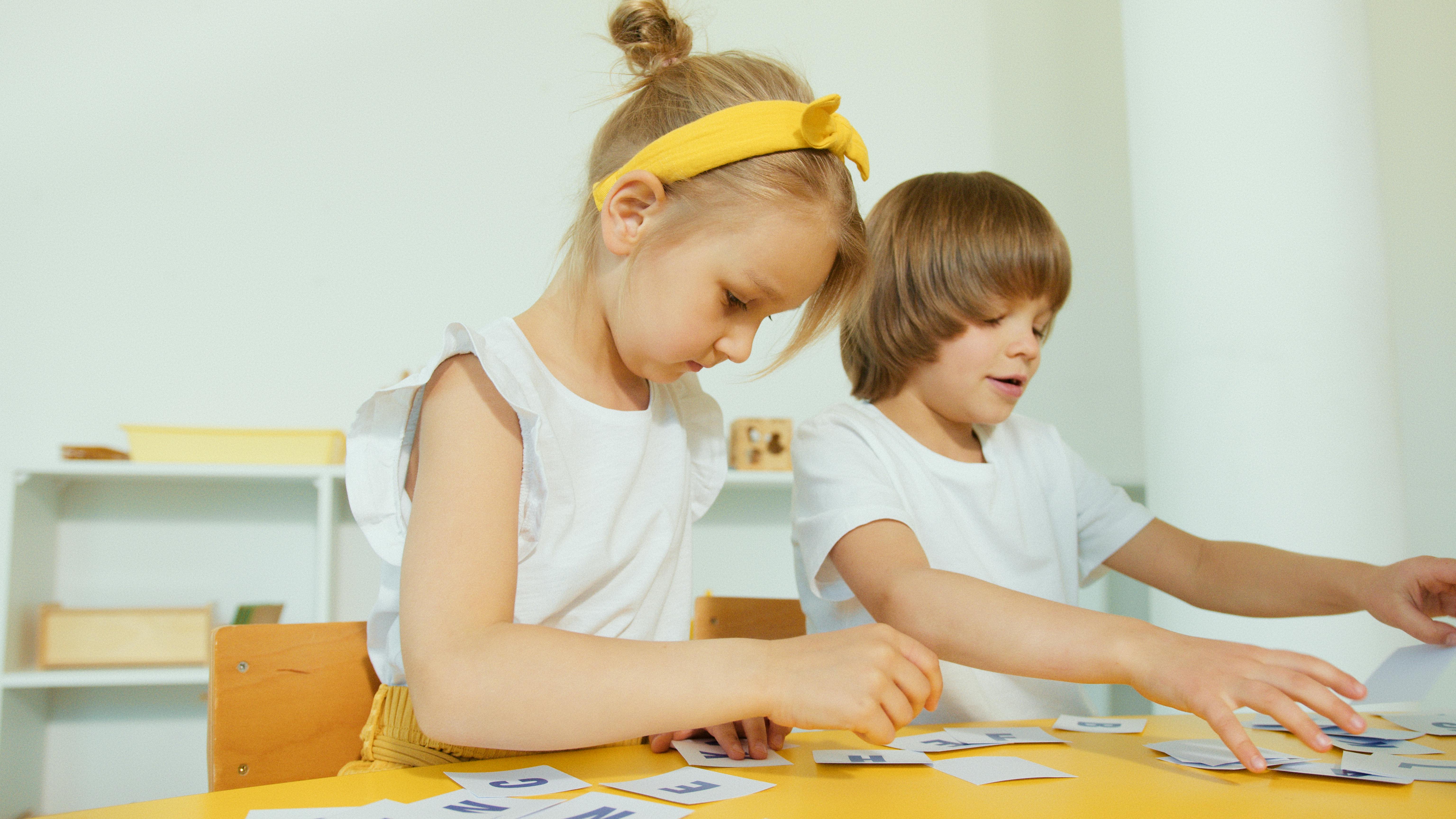
Montessori education has been recognized worldwide for its unique approach to learning, particularly in the formative years of elementary education. This pedagogical method emphasizes self-directed activity, hands-on learning, and collaborative play. Students in Montessori settings make creative choices in their learning, while the classroom and the teacher offer age-appropriate activities to guide the process. This article delves into the essentials of guiding students through elementary Montessori education, offering insights and strategies that foster an enriching learning environment.
The Montessori Philosophy and Its Core Principles
At the heart of Montessori education is the belief that children are naturally eager to learn. This philosophy is built around:
- Self-directed Learning: Children are encouraged to take initiative in their learning through activities that interest them.
- Mixed-age Classrooms: Students of varying ages learn together, promoting peer learning and social interaction.
- Prepared Environment: The classroom is designed to facilitate independent learning with materials that cater to different learning styles.
- Respect for the Child: Every child is treated with respect and dignity, fostering a positive self-image and confidence.
For a deeper understanding of these principles, discover expert strategies here.
Key Strategies for Effective Montessori Education
Guiding students through Montessori education requires a strategic approach tailored to individual learning paths. Here are some effective strategies:
Creating a Nurturing Environment
The environment plays a crucial role in Montessori education. It should be:
- Well-organized: Classrooms should have designated areas for different activities, making materials easily accessible.
- Inviting and Stimulating: The setup should encourage exploration and curiosity.
- Safe and Comfortable: Ensuring physical and emotional safety allows children to focus on their learning.
Find out more about this approach here.
Implementing Individualized Learning Plans
Montessori education embraces the uniqueness of each child by tailoring learning plans to individual needs and interests. This involves:
- Observations: Regularly observing students to understand their interests and needs.
- Progress Tracking: Monitoring progress and adjusting plans accordingly to ensure continuous development.
- Goal Setting: Setting achievable goals that challenge yet support the child’s learning journey.
Explore advanced guides and tips on individualized learning here.
The Role of the Montessori Educator
Educators in Montessori settings play a pivotal role in facilitating learning. Their responsibilities include:
- Guiding Rather Than Directing: Teachers act as guides, allowing children to learn through exploration and experience.
- Modeling Behavior: Demonstrating positive behaviors and attitudes that children can emulate.
- Providing Resources: Ensuring that children have access to the materials and tools they need for learning.
Learn about our tailored solutions for educators here.
Conclusion
Montessori education offers a distinct and effective approach to elementary learning, emphasizing the development of the whole child. By understanding and implementing the core principles and strategies of Montessori education, educators can create a nurturing and dynamic learning environment. This not only fosters academic growth but also promotes social and emotional well-being, preparing children for future challenges. To further explore these concepts and enhance the Montessori educational experience, explore more resources and insights.
