


Sandstone Monument Work: Preserving History with Precision

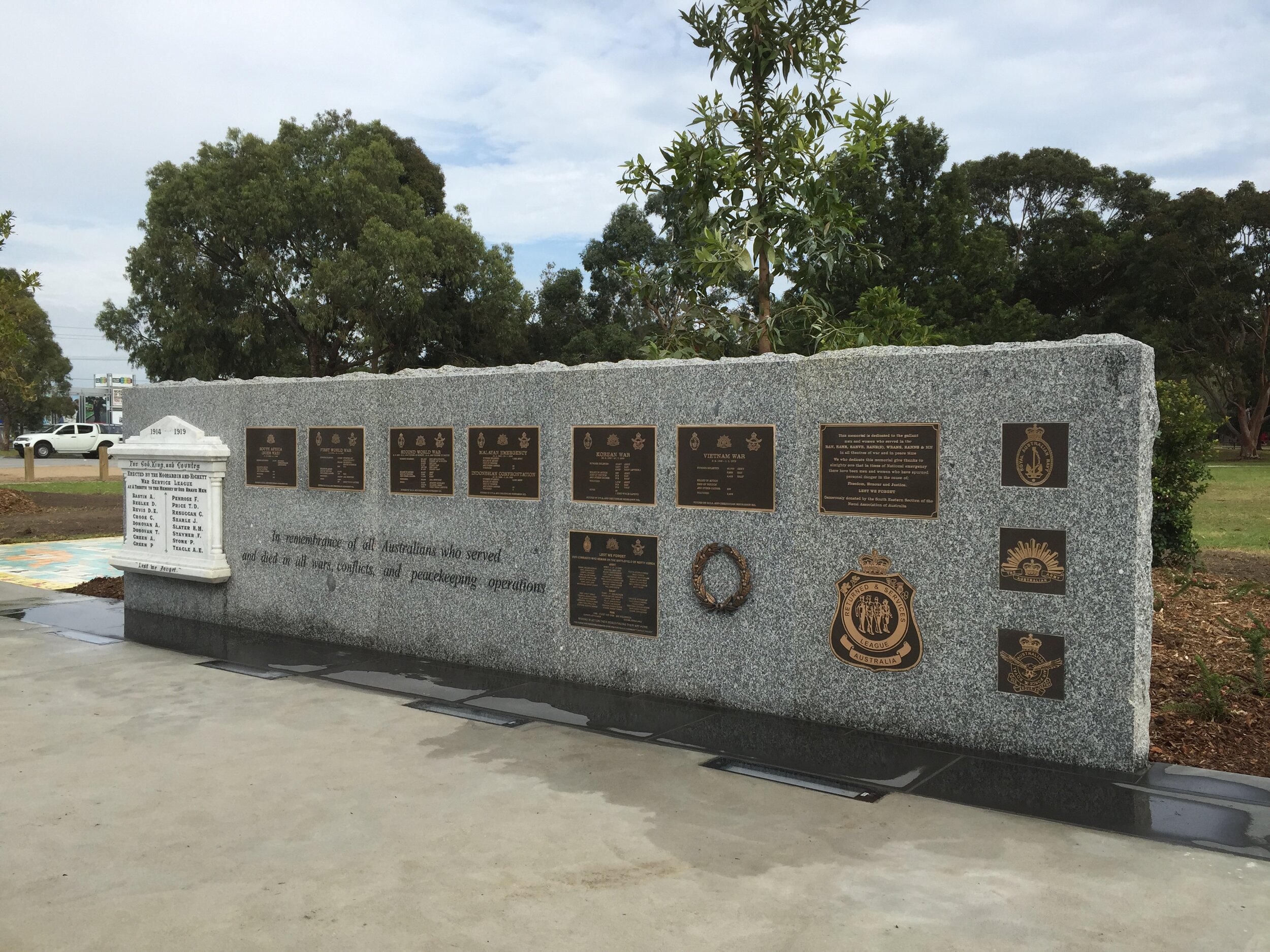
In the realm of architectural preservation, sandstone monument work stands out as a field where precision and artistry converge. Sandstone, with its unique texture and historical significance, is a material that has been favored for monuments over centuries. However, its durability can be compromised by natural elements, necessitating meticulous restoration efforts to preserve the stories etched in stone. This article delves into the intricacies of sandstone monument work, highlighting methods and technologies that ensure both preservation and enhancement of these historical treasures.
Understanding Sandstone’s Unique Characteristics
Sandstone is a sedimentary rock composed mainly of sand-sized mineral particles or rock fragments. Its popularity in monument construction is attributed to several factors:
- Natural Aesthetic: Sandstone’s earthy tones and natural beauty make it an appealing choice for monuments.
- Workability: Its relatively soft nature allows for intricate carvings and detailed work.
- Historical Significance: Many ancient monuments were constructed using sandstone, adding cultural and historical value.
Despite these advantages, sandstone is susceptible to weathering and erosion, making expert restoration essential. Discover expert strategies here to maintain and restore sandstone monuments effectively.
Precision Techniques in Sandstone Restoration
Assessment and Planning
Accurate assessment is the cornerstone of any restoration project. This phase involves:
- Detailed Inspections: Identifying areas of damage, erosion, and previous repair attempts.
- Material Testing: Understanding the composition and deterioration mechanisms of the sandstone.
- Historical Research: Gathering historical context to inform restoration decisions.
By employing a detailed assessment phase, restoration experts can devise tailored approaches to address specific needs of each monument. To learn about tailored solutions, click here.
Advanced Restoration Techniques
Modern technology has significantly enhanced the precision of sandstone restoration. Some advanced techniques include:
- Laser Cleaning: A non-invasive method that gently removes dirt and pollutants without damaging the stone surface.
- 3D Scanning: Creating digital models to understand structural integrity and guide restoration efforts.
- Micro-abrasive Blasting: Carefully removing surface contaminants and decay using fine abrasive materials.
These techniques ensure minimal intervention while maximizing preservation, allowing monuments to retain their historical essence. Explore advanced guides and tips on employing these technologies effectively.
Challenges in Sandstone Monument Preservation
Environmental Factors
Environmental conditions pose significant challenges to sandstone preservation:
- Weathering: Natural forces like wind and rain can erode sandstone over time.
- Pollution: Urban environments often expose monuments to air pollution, accelerating deterioration.
- Biological Growth: Moss and lichen can thrive on sandstone surfaces, causing structural damage.
Combating these challenges requires ongoing maintenance and innovative solutions. Find out more about this approach to addressing environmental impacts on sandstone monuments.
Balancing Restoration and Conservation
Restoration projects must balance preserving the original material and aesthetic with ensuring structural stability. This involves:
- Reversible Interventions: Ensuring that any restoration work can be undone without damaging the original material.
- Authenticity: Maintaining the historical authenticity of the monument while improving its resilience.
- Ethical Considerations: Respecting the cultural and historical significance of the monument in all restoration decisions.
These considerations are critical in ensuring that restoration efforts are both respectful and effective. Learn about our tailored solutions for balancing these complex needs.
Conclusion
Sandstone monument work is a delicate balance of art, science, and history. It requires a deep understanding of both the material and the cultural significance of these structures. By utilizing precise techniques and modern technology, restorers can preserve these historic gems for future generations. For those seeking to delve deeper into the world of sandstone restoration, explore advanced guides and tips to enhance knowledge and practice in this specialized field.
