


The Rise of Sustainable Food Ingredients

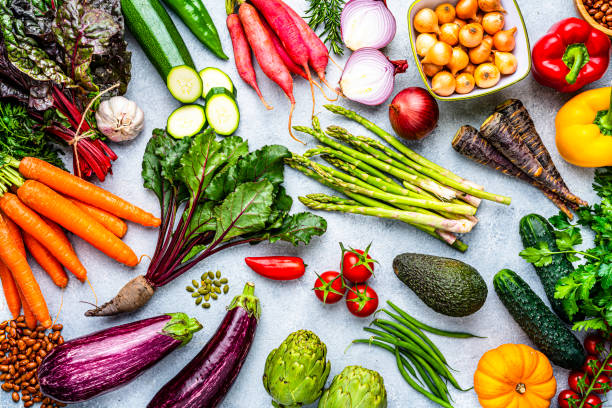
In recent years, there has been an increasing awareness of the impact of food production on the environment. This awareness has catalyzed a shift towards sustainable food ingredients, which prioritize environmental health, social equity, and economic viability. As consumers become more conscious of their ecological footprint, the demand for sustainable ingredients in food products has grown significantly. This transition is not only shaping the future of agriculture and food manufacturing but also influencing the dietary choices of individuals worldwide.
The Importance of Sustainable Food Ingredients
Sustainable food ingredients are critical in reducing the environmental impact of food production. These ingredients are cultivated with methods that minimize harm to the environment, enhance biodiversity, and promote the welfare of farming communities. By integrating sustainable practices, producers can:
- Reduce greenhouse gas emissions through efficient farming techniques.
- Conserve water resources by adopting drought-resistant crops and efficient irrigation methods.
- Maintain soil health through organic farming and reduced use of chemical fertilizers.
- Support fair trade practices that ensure equitable benefits for farmers.
Economic and Social Benefits
The shift to sustainable food ingredients also brings economic and social benefits. By supporting local farmers and fair trade practices, the industry ensures that communities thrive economically. This approach not only improves the livelihoods of farmers but also strengthens local economies. Consumers, in turn, receive healthier and more ethically produced products, fostering a sense of connection between producers and consumers.
Innovative Approaches to Sustainable Ingredients
The rise of sustainable food ingredients has been accompanied by innovative approaches that aim to enhance sustainability while maintaining quality and taste. Companies and research institutions are pioneering new methods to integrate sustainability into food production. Discover expert strategies here to understand how these innovations are shaping the industry.
Algae as a Sustainable Ingredient
Algae is emerging as a promising sustainable ingredient due to its fast growth rate and minimal resource requirements. It offers high nutritional value, rich in proteins, vitamins, and minerals, making it an excellent addition to various food products. Explore advanced guides and tips on how algae can be effectively utilized in sustainable food production.
Challenges and Future Directions
Despite the benefits, transitioning to sustainable food ingredients comes with challenges. These include:
- The need for significant investment in sustainable farming technologies.
- Overcoming consumer misconceptions about the taste and quality of sustainable products.
- Ensuring scalability and consistency in the supply of sustainable ingredients.
To address these challenges, ongoing research and collaboration between stakeholders are essential. Learn about our tailored solutions to see how these efforts can lead to more sustainable and accessible food options.
Collaboration and Policy Support
Collaboration among governments, industries, and consumers is vital to drive the adoption of sustainable food ingredients. Policy support, such as subsidies for sustainable practices and stricter regulations on unsustainable farming methods, can accelerate this transition. Find out more about this approach and how policy changes can foster a more sustainable food system.
In conclusion, the rise of sustainable food ingredients represents a transformative shift in the food industry. By prioritizing environmental, economic, and social sustainability, the industry can meet the growing demand for responsible and ethical food production. As awareness and technological advancements continue to grow, sustainable ingredients will play an increasingly important role in shaping the future of food.
